
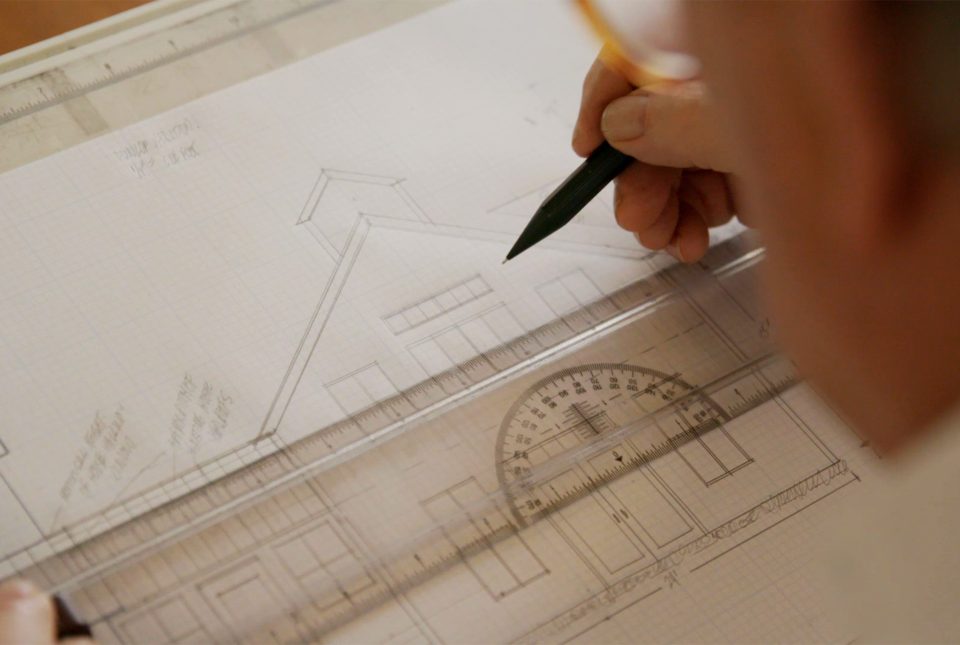
Establishing the Foundation for Operational Success
Conceptual design defines the direction a facility will take long before engineering drawings or installation plans develop. While many managers associate this phase with creating a floor plan, the real value lies in understanding the operational intent behind the layout. The process requires evaluating product characteristics, workflow sequences, labor demands, storage needs, and long-term business goals. A floor plan alone cannot capture these interconnected factors, which is why conceptual design must reach deeper.
Looking Beyond Layout to Functional Requirements
A facility’s effectiveness depends on more than where equipment sits on the floor. Conceptual design examines the purpose each zone must serve and how those functions interact. Receiving must support efficient inbound flow. Storage must reflect SKU velocity. Picking processes must match order profiles. Packing must accommodate volume swings.
This broader understanding guides the placement of aisles, workstations, and equipment in a way that supports real workflows rather than arbitrary geometry. When teams view conceptual design as a functional exercise rather than a drawing exercise, the result becomes a stronger operational foundation.
Identifying Where Automation Fits the Operation
Many facilities consider warehouse automation solutions during conceptual planning because this phase clarifies where automation supports the most value. Automation alone does not improve performance unless it matches workflow needs, product behavior, and volume expectations.
Conceptual design evaluates whether automation enhances picking, strengthens pallet handling, improves transport, or reduces congestion. By understanding these roles early, teams ensure that automation choices align with long-term operational goals.
Clarifying Material Flow With Real Data
Material flow determines productivity at every stage of warehouse operations. Conceptual design uses data to map how pallets, cartons, or totes move across the building. This includes receiving volume, replenishment frequency, order composition, and outbound schedules.
Visual models help reveal cross-traffic, bottlenecks, or unnecessarily long travel paths. Conceptual planners adjust flow paths before committing to equipment, which reduces design changes and installation disruptions later.
Developing Storage Strategies That Match Inventory Behavior
Storage decisions made too early or based on outdated assumptions often lead to inefficient layouts. Conceptual design examines SKU velocity, cube utilization, and handling characteristics to determine the correct mix of racking, shelving, mezzanines, or automated storage systems.
This evaluation prevents overinvestment in systems that do not match actual operational needs. It also identifies where flexible or modular storage solutions help protect the facility from future SKU growth.
Understanding Labor Requirements From the Start
Labor plays a critical role in determining how well a facility performs. Conceptual design considers ergonomic needs, supervision models, operator travel, and shift structure before equipment enters the picture.
When a design reflects realistic labor expectations, workflows become safer and more efficient. Workstations fit operator needs, travel paths shorten, and tasks distribute more evenly across zones.
Assessing Building Constraints Early
Even the best operational ideas fail if the building cannot support them. Conceptual design evaluates column spacing, door placement, ceiling height, fire protection requirements, and structural loads.
By identifying these constraints early, teams avoid committing to equipment that will not fit or layouts that cannot pass safety reviews. This proactive approach reduces redesign costs and accelerates the overall project timeline.
Planning for Flexibility and Growth
Warehouses change over time. SKU counts rise, customer demands evolve, and new fulfillment channels emerge. Conceptual design builds flexibility into the facility by planning for future storage expansion, conveyor extensions, mezzanine additions, or robotics adoption.
This future-focused thinking prevents the need for major reconstruction and ensures the facility can adapt without significant downtime.
Connecting Software and Physical Design
Software platforms influence how a facility operates just as much as physical equipment. Conceptual design accounts for how WMS, WES, and control systems direct workflow. Understanding these interactions early ensures the facility supports digital processes without requiring later modification.
This connection helps maintain consistent communication between systems and prevents process conflicts once automation and equipment come online.
Creating a Foundation for Accurate Budgeting
Budget accuracy depends on early clarity. When conceptual design defines equipment categories, automation roles, flow strategies, and storage needs, capital estimates become more reliable. This reduces the risk of surprises later and supports stronger decision-making during approval stages.
Financial stakeholders gain confidence when presented with a conceptual design that explains not only where equipment will go but why it is needed.
Aligning Stakeholders Through Early Visibility
Conceptual design provides a shared framework that guides discussions between operations teams, engineers, executives, and vendors. By focusing on operational goals and functional needs, teams align earlier and avoid costly changes later in the project.
Shared understanding improves communication, clarifies expectations, and supports faster resolution of design questions.
Building More Than a Floor Plan
Conceptual design serves as the strategic foundation for the entire facility. It shapes workflows, equipment choices, labor models, and expansion pathways. When managers treat conceptual design as a comprehensive planning process rather than a drawing exercise, they create warehouses that operate with greater efficiency, adaptability, and long-term value.
A successful conceptual design offers clarity that carries through engineering, installation, and daily operations. It builds a warehouse that supports both current needs and future opportunities, proving that a floor plan is only the beginning of a much larger vision.
