
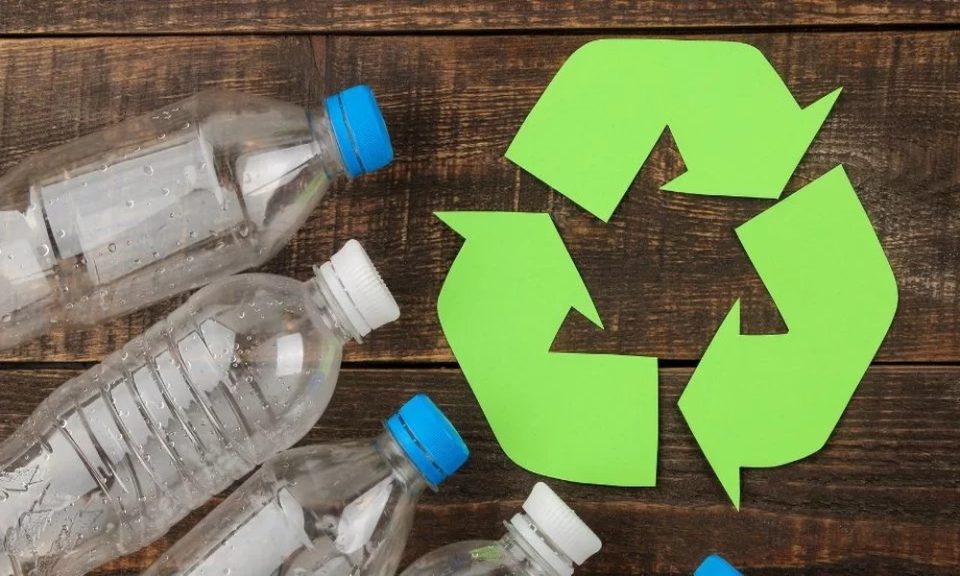
Plastic recycling services in Singapore play an important role in helping households, businesses, and industrial facilities manage waste responsibly. As Singapore pushes toward its zero-waste goals, proper recycling is no longer just an environmental initiative – it has become part of how organisations operate responsibly and meet growing public expectations.
Responsible Disposal Goes Beyond Using a Recycling Bin
Many people assume that responsible disposal simply means throwing plastic into a recycling bin. In reality, the process is much more involved. For recycling to truly work, the material must be collected properly, sorted correctly, processed into reusable raw material, and reintroduced into manufacturing instead of ending up in incineration.
In Singapore, a large amount of recyclable material is still rejected during the sorting stage because of contamination. Food residue, mixed materials, and incorrect disposal habits often make plastics unsuitable for recycling. As a result, items that people intended to recycle may still be treated as waste.
Closing this gap requires better awareness, proper recycling habits, and reliable infrastructure. This is where professional plastic recycling services become essential.
Giving Plastic a Second Life
Recycling is not just about waste removal; it is about reuse. Once collected and processed, used plastic can be converted into pellets or granules that manufacturers use to create new products.
This recycled material, often known as post-consumer recycled (PCR) plastic, is increasingly used across many industries. Examples include:
- Food-grade recycled PET for beverage bottles and packaging
- Recycled HDPE for pipes, containers, and construction materials
- Recycled polypropylene for furniture, automotive components, and industrial products
- Recycled LDPE for packaging films, agricultural sheets, and bin liners
By recycling plastic into new products, businesses help reduce dependence on virgin materials and support a more circular economy where resources remain in use for longer.
Why Proper Segregation Matters
The quality of recycled plastic depends heavily on how clean and well-sorted the material is from the start. Plastics mixed with food waste, liquids, or other non-recyclable materials are harder to process and often lose much of their recycling value.
For businesses running recycling programmes in Singapore, proper segregation is one of the most important factors for success. Clearly labelled bins, employee training, and simple disposal procedures can make a major difference in reducing contamination.
Clean, separated plastic waste is easier to recycle, produces better-quality recycled material, and delivers stronger environmental outcomes compared to mixed or contaminated waste.
As Senior Minister Lee Hsien Loong once noted, Singapore has always needed to maximise its resources carefully. In a circular economy, materials should be viewed as resources to recover and reuse not simply waste to discard. Effective plastic recycling reflects that mindset.
Creating a Strong Recycling Culture
Building a responsible recycling culture within an organisation does not happen overnight, but small practical steps can make a significant impact.
Raise Awareness
Employees should understand which plastics are recyclable, how to prepare them properly, and why segregation matters. Clear signage, visual guides, and regular reminders can improve participation.
Provide Convenient Infrastructure
Recycling bins should be placed where waste is actually generated. Making recycling easy and accessible encourages better habits and higher compliance.
Integrate Recycling into Daily Operations
Recycling works best when it becomes part of normal workflows rather than an optional activity. Including waste segregation in operational procedures helps maintain consistency.
Track Progress
Monitoring recycling volumes and diversion rates allows organisations to measure results, improve processes, and demonstrate accountability.
Work with the Right Recycling Partner
A reliable recycling provider should be transparent about how materials are processed and able to provide documentation showing that collected plastics are genuinely recycled.
Choosing the Right Recycling Service Provider
Not all recycling companies operate the same way. Before engaging a recycling partner in Singapore, businesses should evaluate several important factors:
- Whether the company operates its own processing facility or mainly acts as a collection intermediary
- The type of reporting or recycling documentation provided
- Their ability to process the specific plastic waste generated by your operations
- How rejected or non-recyclable materials are handled
- Whether the company complies with Singapore’s environmental regulations and licensing requirements
- A trustworthy recycling partner should be open and transparent about its processes and recycling outcomes.
The Long-Term Benefits of Responsible Plastic Management
Investing in proper plastic recycling offers more than environmental benefits alone. Organisations that implement effective recycling programmes can also strengthen their reputation, improve operational readiness, and align themselves with future sustainability requirements.
Some of the long-term advantages include:
- Stronger brand reputation among customers and stakeholders
- Better preparedness for evolving environmental regulations
- Measurable sustainability outcomes that can be reported and verified
- Reduced reliance on virgin plastic materials over time
- Plastic recycling in Singapore is becoming an essential part of responsible business operations. Companies that take recycling seriously are not only reducing waste – they are contributing to a more sustainable and resource-efficient future.
