
A Creative Space With Multiple Markets
Recording studios serve a remarkably diverse range of clients. Independent musicians recording their debut EP, podcast producers seeking professional sound quality, businesses producing corporate audio content, voice-over artists in need of a treated booth, and schools recording student performances, all represent potential studio bookings with very different needs and budgets.
Marketing a recording studio effectively means understanding these different client types and creating content that speaks to each, while maintaining the overall brand identity of the studio.
Showcasing the Facility and the Sound
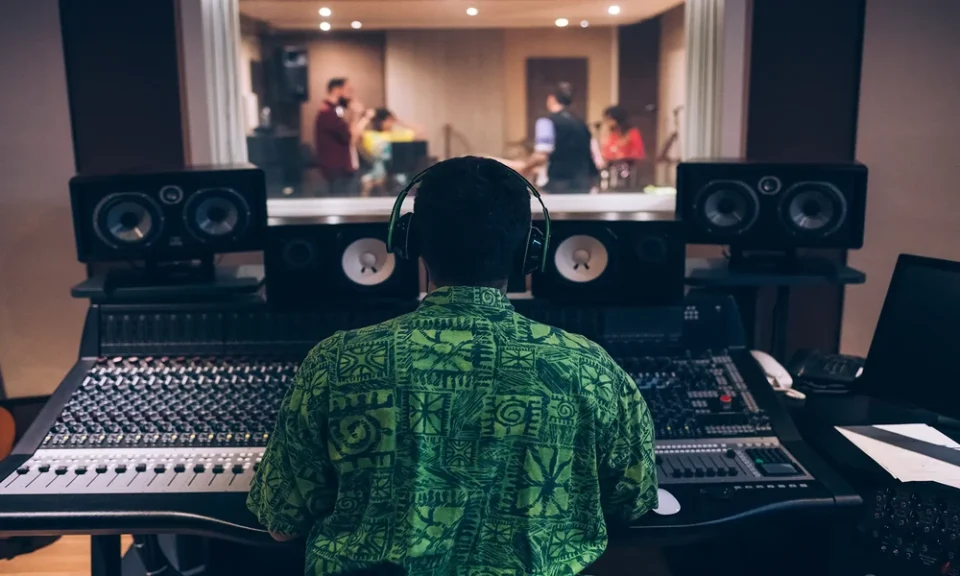
The quality of a recording studio is ultimately heard rather than seen, but first impressions are visual. Professional photography of the control room, live room, vocal booth, and equipment creates an immediate sense of the studio’s quality and character.
Audio clips demonstrating the sound quality achievable, perhaps short showcases of recent productions or voice-over recordings, give prospective clients the most relevant evidence of what they will receive from a session.
Producer and Engineer Profiles
In many cases, clients are choosing not just a studio but a producer or engineer whose creative sensibility matches their own. Content profiling the people behind the desk, their influences, their experience, and the kind of music or audio they love making, helps clients find their creative collaborator as much as their recording space.
Behind-the-scenes content from sessions, showing the team at work and the creative process in progress, builds a sense of the studio’s atmosphere and working style that helps prospective clients imagine themselves in the room.
Podcast and Spoken Word Growth
The podcast market continues to grow, and podcasters who are serious about their production quality are willing to pay for professional studio time. Marketing specifically to this audience, with content demonstrating the quality difference between home recording and professional studio production, reaches a client type that has not traditionally thought of recording studios as their natural home.
Social media for small businesses in the creative sector is most effective when it genuinely celebrates the work being made in the studio. With client permission, sharing snippets of sessions, announcing upcoming releases from studio clients, and documenting interesting or ambitious recording projects builds an audience of music and audio enthusiasts who share content widely.
Session Musicians and Collaboration
Studios that can connect clients with experienced session musicians, whether as part of a packaged recording service or through informal referral, add significant value for artists who lack a full band or who want to enhance their recordings with professional instrumentation. Marketing this network capability attracts clients whose ambitions exceed their immediate resources.
